Now think of residing in a picturesque duplex, villa, or multi-level house where shifting from one floor to another would be as easy as just pushing a single button. Gone are the days when you used to struggle while taking the stairs with groceries, carrying bulky luggage, or assisting your aged family members climb one by one. Now get ready to experience life on a whole new level of comfort and luxury with the help of a modern small house lift.
With homes becoming more compact and vertical in nature, homeowners are in search of such mobility devices which not only save space but also ensure excellent performance. That’s precisely the reason why there has been a rapid increase in the demand for a small lift for home in recent times. Whether it is a new construction or renovation of an already constructed home, installation of a mini lift for home has ceased to be a luxury anymore.
TapZone India Elevator believes that besides lifting people from one floor to another, the home lift must be aesthetically pleasing in the way it integrates into the architectural design of your house, works silently, saves energy, is very safe, and works reliably for many years to come. Whether it is a small residential lift or a premium-quality small elevator for home, the right choice can change the way you live.
This ultimate guide talks about all things about a small lift – how it works, different types, advantages of using it, installation procedure, factors influencing the small lift for home price, safety features, and more. By the time you finish this guide, you will have all the knowledge required to buy the perfect home lift.
Why Homeowners Are Choosing Small House Lifts
Modern lifestyles demand greater convenience and accessibility. Multi-floor homes often become difficult to navigate for elderly family members, children, or individuals recovering from injuries. Carrying groceries, furniture, laundry, or heavy luggage upstairs can also become physically demanding.
A small lift for home eliminates these challenges by offering smooth, safe, and effortless vertical transportation. It not only improves day-to-day comfort but also future-proofs your home as your family’s needs evolve.
Some of the biggest reasons homeowners choose a mini lift for home include:
- Easy movement between floors
- Improved accessibility for senior citizens
- Increased comfort and convenience
- Enhanced home value
- Stylish modern interiors
- Space-saving installation
- Better safety compared to stairs
- Low maintenance and energy-efficient operation
Today, a small elevator for home is becoming an essential feature in premium residential properties.
What Is a Small House Lift?
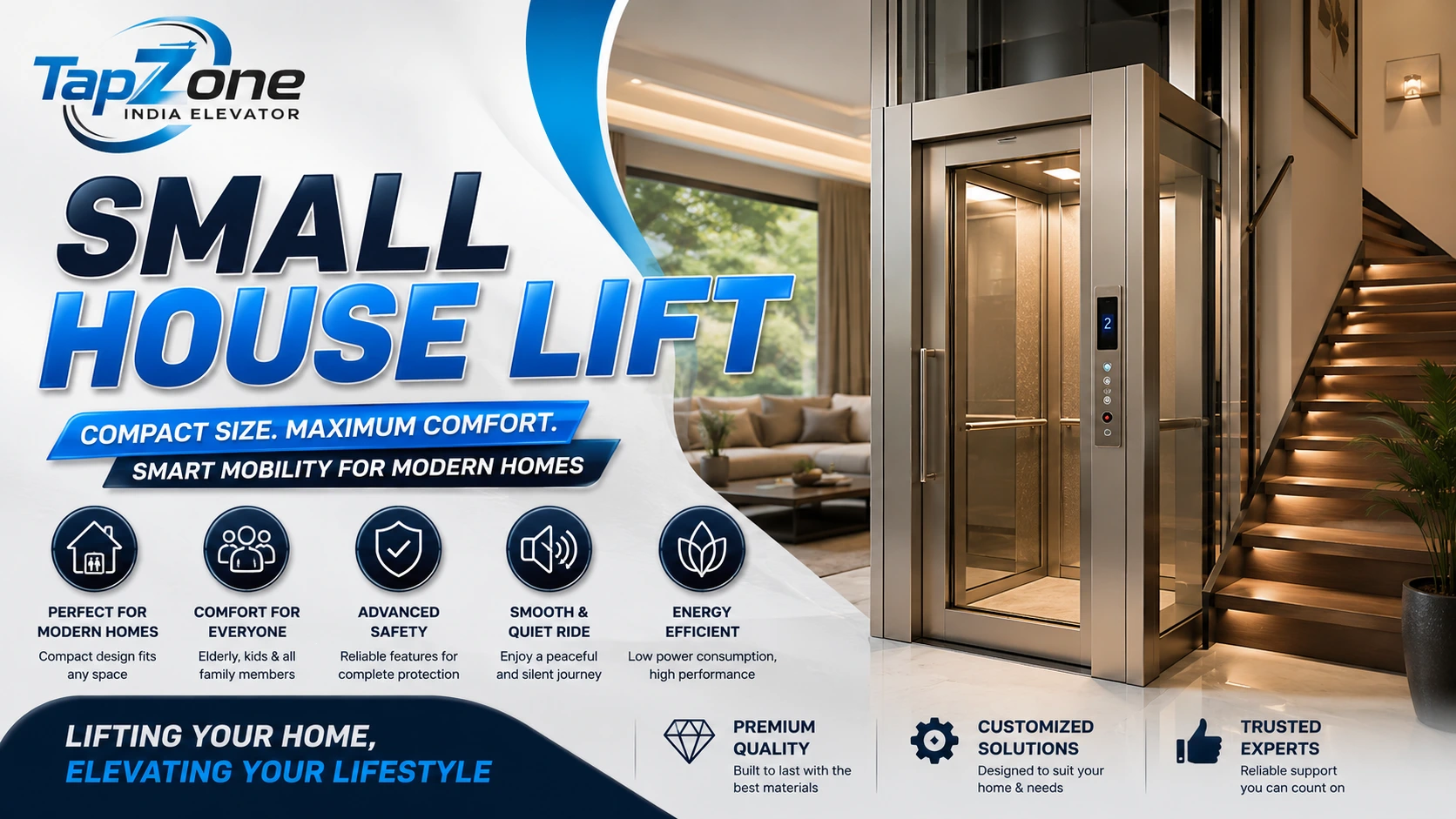
A small house lift is a compact residential elevator specifically designed for homes with limited space. Unlike commercial elevators, residential lifts are engineered for lower travel heights, quieter operation, and elegant designs that complement modern interiors.
These lifts are capable of transporting people, groceries, luggage, wheelchairs, and household items safely between different floors while occupying minimal installation space.
Depending on the design, a small house lift may require very little civil construction, making it suitable for both new homes and existing buildings.
How Does a Small Lift Work?
Although different small house lift technologies operate differently, the basic principle remains the same—transporting passengers safely through vertical movement.
The operation usually follows these steps:
Passenger Entry
The user enters the small house lift cabin and closes the door.
Floor Selection
The desired floor is selected using the control panel.
Lift Activation
The motor or hydraulic drive begins lifting or lowering the cabin smoothly.
Guided Movement
The cabin moves along specially designed guide rails while advanced control systems continuously monitor speed and positioning.
Automatic Stopping
The lift stops accurately at the selected floor, ensuring smooth entry and exit.
Modern small elevator for home systems use intelligent controllers that provide silent operation, smooth acceleration, and precise floor leveling.
Main Components of a Small House Lift
Every residential small house lift consists of carefully engineered components that ensure reliable and safe performance.
Lift Cabin
The cabin is the passenger compartment designed for comfort, aesthetics, and safety.
Guide Rails
These maintain smooth vertical movement and ensure stability throughout the lift’s travel.
Drive System
Depending on the model, the lift may use hydraulic, traction, screw-drive, or machine-room-less technology.
Control Panel
Allows users to operate the lift easily with simple floor-selection buttons.
Door System
Manual or automatic doors ensure safe entry and exit.
Safety Sensors
Advanced sensors monitor small house lift operation and prevent unsafe conditions.
Emergency Backup
Battery backup allows passengers to exit safely during power failures.
Motor
The motor provides the power required to move the small house lift smoothly between floors.
Types of Small House Lifts
Choosing the right lift depends on your home’s structure, available space, budget, and usage requirements.
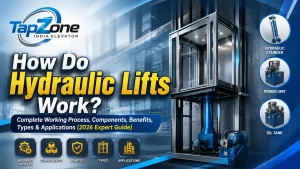
Hydraulic Home Lift
Hydraulic lifts use fluid pressure to move the cabin vertically.
Advantages include:
- Smooth ride quality
- High reliability
- Quiet operation
- Suitable for low-rise homes
- Excellent load capacity
Traction Home Lift
Traction lifts operate using steel ropes and counterweights.
Benefits include:
- Energy efficient
- Faster travel
- Suitable for taller homes
- Low operating costs
- Long service life
Machine Room-Less (MRL) Lift
MRL lifts eliminate the need for a separate machine room, making them ideal for homes with limited space.
Advantages include:
- Space-saving design
- Lower construction costs
- Modern appearance
- Efficient performance
Vacuum Home Lift
Vacuum lifts operate using air pressure technology and require minimal structural modifications.
They are ideal for:
- Luxury homes
- Villas
- Duplex houses
- Compact residential spaces
Screw Drive Home Lift
These lifts use a screw and nut mechanism to move the cabin.
Popular because of:
- Simple installation
- Low maintenance
- Excellent safety
- Smooth operation
Benefits of Installing a Small House Lift
Installing a small lift for home provides long-term advantages that go beyond convenience.
Improves Accessibility
People of all ages, especially senior citizens and individuals with limited mobility, can move comfortably between floors.
Increases Property Value
Homes equipped with modern lifts are generally more attractive to buyers and often command higher resale values.
Saves Time and Effort
Daily movement becomes quicker and easier, especially when carrying groceries, luggage, or household items.
Enhances Safety
A small elevator for home reduces the risk of slips and falls on staircases.
Adds Luxury
A beautifully designed lift enhances the overall appearance and sophistication of your home.
Energy Efficient
Modern residential small house lifts consume surprisingly little electricity, making them economical to operate.
Future-Proofs Your Home
Installing a mini lift for home today ensures your small house lift remains accessible and comfortable for years to come.
Where Can a Small Lift Be Installed?
One of the biggest advantages of modern residential small house lifts is their flexibility. They can be installed in various locations depending on your home’s design and available space.
Suitable installation areas include:
- Duplex homes
- Villas
- Bungalows
- Independent houses
- Luxury apartments
- Farmhouses
- Townhouses
- Existing residential buildings
With compact designs and customizable dimensions, a small house lift can fit seamlessly into both new constructions and renovation projects.
Installation Process of a Small House Lift
Installing a small lift for home is much simpler today than it was a few years ago. Modern residential lifts are designed with compact technology, allowing installation with minimal civil work. Whether you’re constructing a new home or upgrading an existing one, the process is quick when handled by experienced professionals.
Site Inspection
The first step is to inspect the available space, floor height, structural strength, and electrical requirements to determine the most suitable lift model.
Lift Design Selection
Choose the appropriate small elevator for home based on passenger capacity, cabin size, small house lift type, travel height, and interior design preferences.
Civil Preparation
Depending on the lift technology, a shaft, pit, or supporting structure is prepared. Some compact lifts require very little structural modification.
Mechanical Installation
Guide rails, drive systems, cabin, doors, and other essential components are installed with precision to ensure smooth operation.
Electrical Wiring
The control panel, safety devices, emergency systems, and power supply are connected and thoroughly inspected.
Testing & Commissioning
Before handover, every function of the lift is tested, including speed, leveling accuracy, emergency operation, door safety, and overall performance.
With expert installation from TapZone India Elevator, homeowners receive a safe, reliable, and professionally installed small house lift that is ready for long-term use.
Factors That Affect Small Lift for Home Price
Many homeowners search for the small lift for home price, but the final cost depends on several important factors rather than a fixed amount.
Lift Type
Hydraulic, traction, vacuum, and screw-drive lifts have different manufacturing and installation costs.
Number of Floors
A lift serving more floors generally requires additional guide rails, wiring, and installation work.
Load Capacity
Lifts designed for two passengers cost less than larger models built for four or more people.
Cabin Size
Custom cabin dimensions and luxury interiors influence the overall investment.
Interior Finishing
Premium flooring, stainless steel finishes, glass panels, designer lighting, and touch controls can increase the overall price.
Installation Requirements
The amount of civil work required for shafts, pits, or structural modifications also affects pricing.
Safety Features
Advanced systems such as automatic rescue devices, battery backup, overload protection, and smart controls contribute to the final cost.
Customization
Every home has unique requirements. Customized colors, finishes, door designs, and dimensions may influence the total investment.
Instead of focusing only on the small lift for home price, homeowners should evaluate quality, safety, energy efficiency, warranty, and long-term maintenance costs.
Technical Specifications of a Small House Lift
The following specifications represent common residential small house lift configurations. Actual specifications may vary depending on customer requirements.
| Specification | Standard Range |
|---|---|
| Capacity | 2–6 Persons |
| Load Capacity | 200–450 kg |
| Travel Height | Up to 20 meters |
| Maximum Floors | G+4 or Customized |
| Drive Type | Hydraulic / Traction / MRL / Screw Drive |
| Cabin Material | Stainless Steel / Glass / Customized |
| Door Type | Automatic / Manual |
| Cabin Size | Customized |
| Speed | 0.3–1.0 m/s |
| Power Supply | Single Phase / Three Phase |
| Control System | Microprocessor / PLC Based |
| Safety Features | ARD, Overload Sensor, Emergency Alarm, Door Lock |
| Installation | Indoor & Outdoor |
| Noise Level | Low Noise Operation |
| Maintenance | Minimal with Periodic Servicing |
Advanced Safety Features of Modern Home Lifts
Safety is one of the most important aspects of any residential elevator. A premium small lift incorporates advanced technologies to ensure complete peace of mind.
Automatic Rescue Device (ARD)
In case of a power outage, the lift automatically moves to the nearest floor, allowing passengers to exit safely.
Overload Protection
The lift detects excess weight and prevents operation until the load is reduced.
Emergency Alarm
Passengers can quickly alert others during emergencies by pressing the alarm button.
Door Interlocking System
The lift operates only when all doors are properly closed and locked.
Battery Backup
Essential systems continue operating during power interruptions.
Emergency Stop Button
Allows immediate stopping of the lift whenever required.
Child Safety Features
Modern residential lifts include intelligent controls to enhance safety for families with children.
Smooth Start & Stop Technology
Advanced controllers minimize vibration and ensure a comfortable riding experience.
Working Process of a Small House Lift
Step 1: User Calls the Lift
The user presses the call button from the desired floor, and the intelligent control system receives the command.
Step 2: Door Opens Automatically
Once the lift reaches the selected floor, the door opens smoothly, allowing passengers to enter the cabin safely.
Step 3: Floor Selection
After entering the cabin, the passenger selects the destination floor using the control panel.
Step 4: Safety System Verification
Before movement begins, the lift checks that all doors are securely locked, the load is within the permitted capacity, and all safety sensors are functioning correctly.
Step 5: Smooth Vertical Movement
The drive system (hydraulic, traction, or screw drive) moves the cabin smoothly along the guide rails with minimal noise and vibration.
Step 6: Intelligent Speed Control
The controller continuously adjusts the lift’s speed to ensure stable, energy-efficient, and comfortable travel between floors.
Step 7: Accurate Floor Leveling
When the lift reaches the selected floor, it automatically slows down and stops precisely level with the floor for safe entry and exit.
Step 8: Safe Exit & Ready for Next Use
The door opens automatically, passengers exit safely, and the small house lift becomes ready for the next operation.
Maintenance Tips for Long-Term Performance
Proper maintenance keeps your mini lift for home running safely and efficiently for many years.
Follow these simple maintenance practices:
- Schedule professional servicing regularly.
- Keep the cabin clean and dry.
- Avoid exceeding the rated load capacity.
- Test emergency alarm and battery backup periodically.
- Inspect doors for smooth operation.
- Ensure guide rails remain clean.
- Check electrical connections regularly.
- Replace worn components before they fail.
Routine maintenance improves performance while reducing unexpected repair costs.
Tips for Choosing the Right Small House Lift
Selecting the right small elevator for home requires careful planning.
Before making a decision, consider the following:
- Available installation space
- Number of floors
- Daily usage frequency
- Passenger capacity
- Drive technology
- Interior design preferences
- Energy efficiency
- Safety certifications
- Warranty coverage
- Manufacturer’s experience
- Maintenance support
- Future family requirements
Choosing the right lift ensures better performance and higher long-term value.
Why Choose TapZone India Elevator?
At TapZone India Elevator, we specialize in designing and manufacturing premium residential lift solutions that combine elegance, safety, and advanced engineering.
Our advantages include:
- Customized small lift for home solutions
- Premium-quality materials
- Space-saving lift designs
- Modern and stylish cabin interiors
- Advanced safety technology
- Quiet and energy-efficient operation
- Professional installation services
- Reliable after-sales support
- Competitive pricing
- Long-lasting performance
Whether you need a compact mini lift for home, a stylish small elevator for home, or a customized residential lift solution, TapZone India Elevator provides products designed to meet the highest standards of quality and reliability.
Conclusion
In today’s context, installing a small house lift is not just a luxury anymore. This is indeed a wise move that will add value and efficiency to your house. No matter if you are building your house or remodeling an existing one, a small lift for home will give your family members mobility freedom forever.
Small elevator for homes are now available in the market with all the latest technology incorporated in them, along with energy efficiency, safety features, stylish interiors, and much more. Though the small lift for home price varies depending on various factors such as its load-bearing capacity, technology used, customization needs, and installation issues, a good lift will always serve you in a cost-effective manner.
At TapZone India Elevator, we believe in innovation along with our dedication to customers. We promise to give our best services in making your life easy and comfortable.
Frequently Asked Questions (FAQs)
1. What is the ideal small lift for a home?
The ideal small lift for home depends on your available space, number of floors, passenger capacity, and budget. Hydraulic, traction, and machine-room-less lifts are among the most popular residential options.
2. What is the average small lift for home price?
The small lift for home price varies based on lift type, travel height, cabin size, customization, safety features, and installation requirements. Contacting a trusted manufacturer is the best way to get an accurate quotation.
3. Can a mini lift for home be installed in an existing house?
Yes. A mini lift for home can be installed in most existing homes with minimal structural modifications, making it an excellent option for renovation projects.
4. Is a small elevator for home safe for children and elderly people?
Yes. Modern small elevator for home systems include advanced safety features such as automatic rescue devices, door interlocks, emergency alarms, overload protection, and battery backup, ensuring safe operation for all family members.
5. How often should a home lift be serviced?
To maintain smooth performance and ensure safety, a residential small lift should be inspected regularly and professionally serviced at least two to four times a year, depending on usage frequency.